Opus 5.5 vs GPT-6.1 Sol: The Door Problem in Godot
2 min read
Build log ·
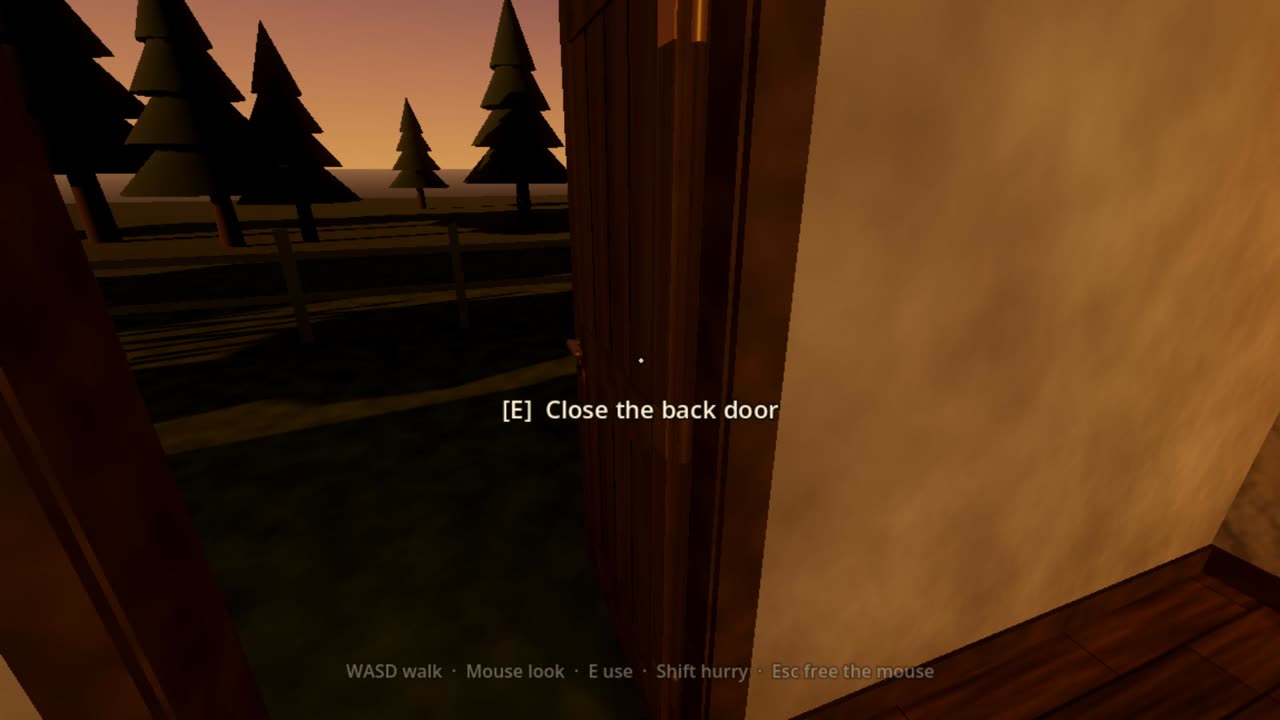
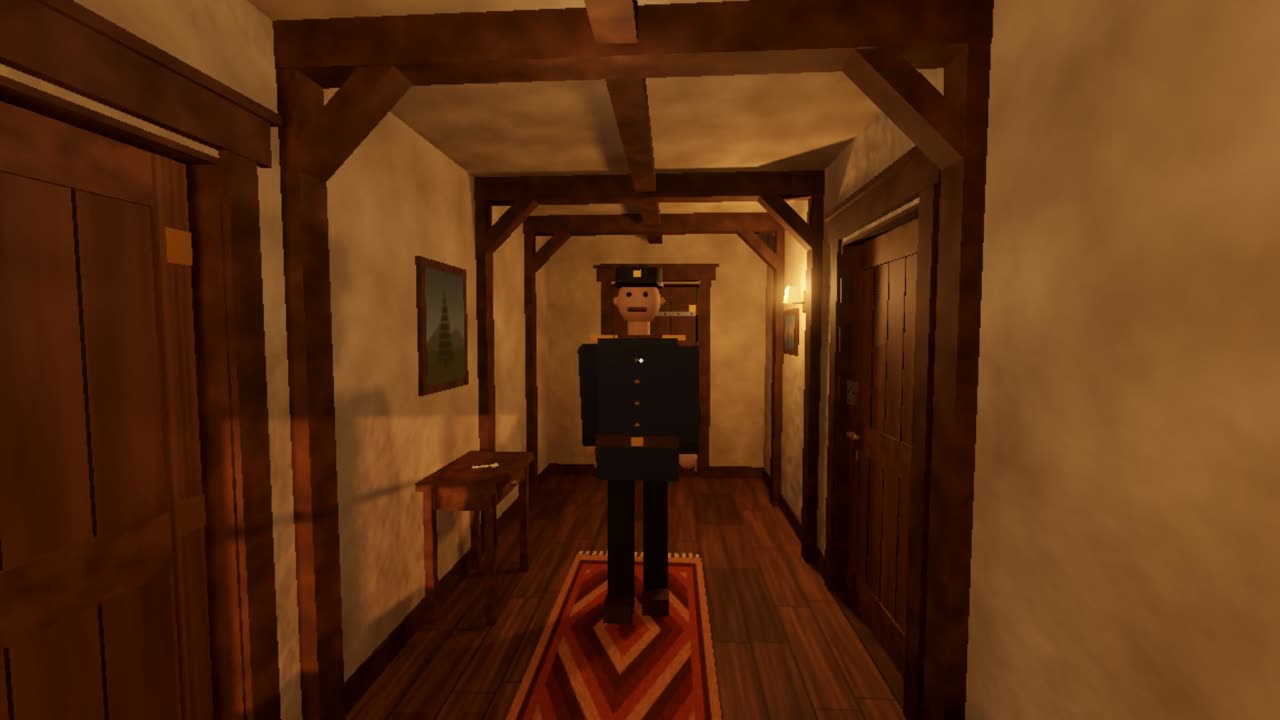
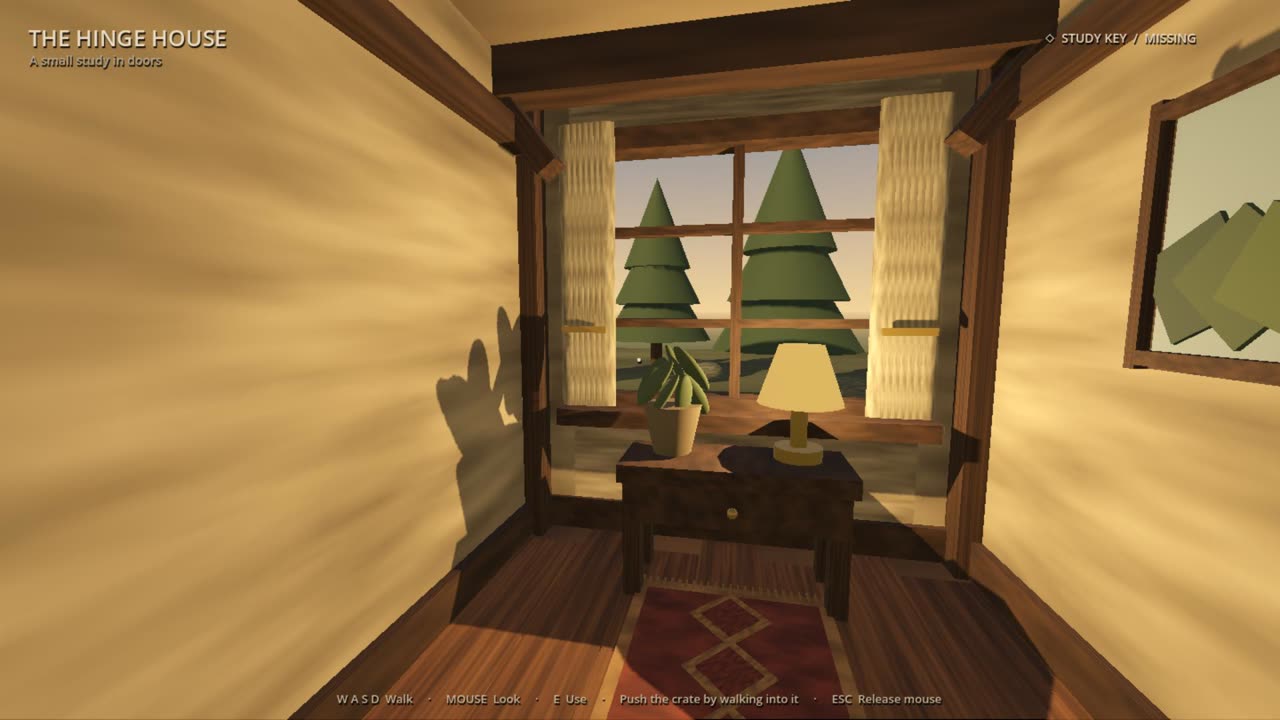
Can an AI agent build doors that work the way doors work in a well-made game? Claude Opus 5.5 in Claude Code and GPT-6.1 Sol in Codex got the same prompt and the same reference picture: four doors in a small first-person house in Godot (a hinged door you open from either side, a locked door and its key, a door that closes itself, and a front door), solid while they swing, a crate you can push into a doorway, and a guard who walks a loop through the house opening the doors in his way. Both worked directly in the Flockbay app, on the Godot engine, pressed Play themselves, and decided when they were done.
The test
Then the same first-person driver played both houses on each game's own controls: from both sides of every door, standing in a doorway, pushing the crate, trying the lock, running into a door as it opens, and getting in the guard's way.
The prompt
The exact prompt both models got:
Build the doors of a small first-person game in Godot, and make them work the way doors work in a well-made game. The player walks around a small two-room house with a hallway, using W A S D and the mouse, and presses E to open or close the door they are looking at. Build four doors. A hinged wooden door between the hallway and the first room, which the player can open from either side. A locked door to the second room, which tells the player it is locked until they pick up the key lying in the hallway. A door that closes by itself a few seconds after it is opened. And a front door to the outside. Doors swing open over time rather than snapping, and they are solid: they must not pass through the player, the walls, or a wooden crate the player can push into a doorway, and a door closing on the player must never trap them or push them through a wall. A guard walks a loop through the house on his own, opening the doors in his way and closing them behind him, and he must never get stuck at a door. Give each door the sounds of opening, closing and being locked. Make it look like the reference picture. Build every model yourself from code or primitives; don't download or generate 3D models. The doors are the point: keep the house small and spend your effort on them. Playtest it yourself and hand it over when you think it's done.
What was judged
The doors themselves: the swing (direction, speed, easing), the solidity, the blocking, the lock, the self-closing door, the sounds.
The guard at the doors: does his loop survive them.
How close it looks to the reference.
What it cost: tokens, calls, time, and the estimated API bill.
In the video
[0:00](https://www.youtube.com/watch?v=JH6_SbpNARM&t=0s) Opus won two, Sol won one
[0:32](https://www.youtube.com/watch?v=JH6_SbpNARM&t=32s) Doors this time
[1:13](https://www.youtube.com/watch?v=JH6_SbpNARM&t=73s) The job
[1:38](https://www.youtube.com/watch?v=JH6_SbpNARM&t=98s) The models and the rules
[2:18](https://www.youtube.com/watch?v=JH6_SbpNARM&t=138s) Who plays
[2:30](https://www.youtube.com/watch?v=JH6_SbpNARM&t=150s) The reference
[2:43](https://www.youtube.com/watch?v=JH6_SbpNARM&t=163s) What a good door does
[3:32](https://www.youtube.com/watch?v=JH6_SbpNARM&t=212s) What we are testing
[4:01](https://www.youtube.com/watch?v=JH6_SbpNARM&t=241s) GPT-6.1 Sol
[4:55](https://www.youtube.com/watch?v=JH6_SbpNARM&t=295s) Walking into a door
[5:17](https://www.youtube.com/watch?v=JH6_SbpNARM&t=317s) The guard and the crate
[5:45](https://www.youtube.com/watch?v=JH6_SbpNARM&t=345s) The master key
[6:15](https://www.youtube.com/watch?v=JH6_SbpNARM&t=375s) Opus 5.5
[7:36](https://www.youtube.com/watch?v=JH6_SbpNARM&t=456s) Side by side
[7:47](https://www.youtube.com/watch?v=JH6_SbpNARM&t=467s) Neither is a physics door
[8:01](https://www.youtube.com/watch?v=JH6_SbpNARM&t=481s) One rule
[9:10](https://www.youtube.com/watch?v=JH6_SbpNARM&t=550s) The bill
[9:24](https://www.youtube.com/watch?v=JH6_SbpNARM&t=564s) Who takes it
The results, measured
| Opus 5.5 (Claude Code) | GPT-6.1 Sol (Codex, high) | |
|---|---|---|
| Run | 41.1 min, 5 Plays, 67 model calls, 96 tool calls | 20.6 min, 2 Plays, 23 model calls, 59 tool calls |
| Output tokens | 158,884 (82,964 thinking) | 35,848 (5,497 reasoning) |
| Cached tokens read | 11.1 million | 1.3 million |
| On API prices | about 7.23 dollars | about 0.63 dollars |
| Rate per million tokens | 4 in, 20 out | 2 in, 10 out |
| Code handed over | 2,546 lines of GDScript in 9 files, and a 409-line test scene | 923 lines in 6 files, and a 145-line test scene |
| Its own test | 45 checks, run headless; a 150 s guard patrol and a 3 min random stress test with the player in the way | 46 checks; the guard is switched off and the player moved out of the house for every door check |
Costs are estimates at public API prices, read on the day. Both runs went through a subscription.
From the filmed games